
The Pope in Equatorial Guinea | The Sick: "Hidden Poems"
Source: Vatican News
Pope Leo XIV visits the psychiatric hospital in Malabo and calls for the work of mercy. “visit the sick”, sign of a Church that does not abandon those who suffer
- A visit that puts the patients at the center
- The Pope's gaze in the face of suffering
- Closeness to families and healthcare workers
- Visiting the sick: a mercy needed today
1. A visit that puts the patients at the center
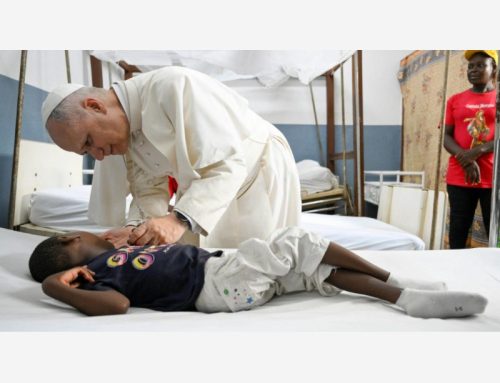
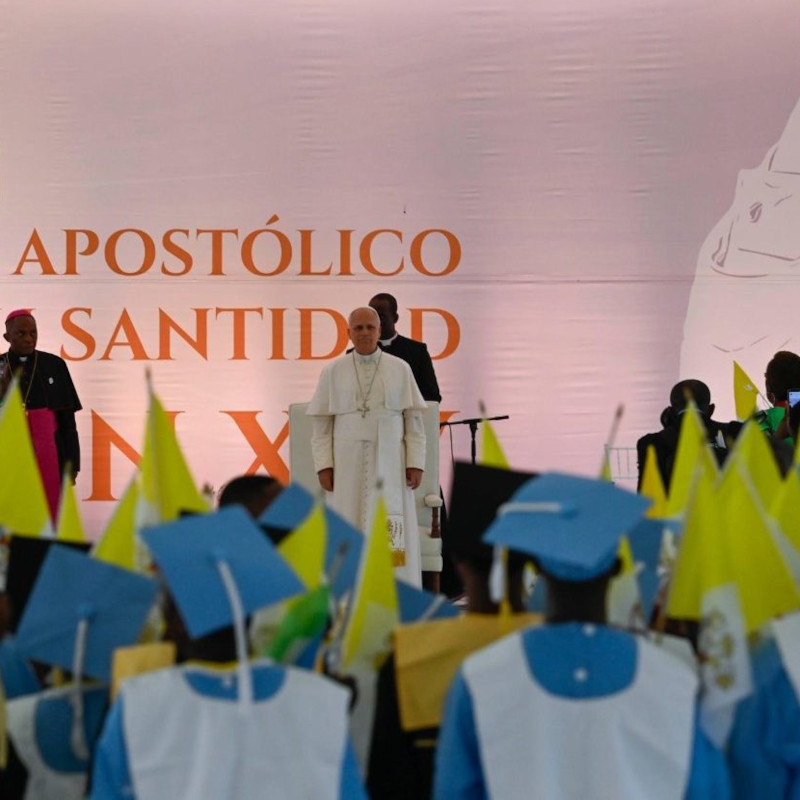
Among the most intense moments of the apostolic journey to Equatorial Guinea, Pope Leo XIV wanted to make a significant stop at theMalabo Psychiatric Hospital, where the Pope chose to personally meet patients, healthcare workers and family members, placing at the center those who often remain invisible to the eyes of society.
The visit was not merely a symbolic gesture, but a truly pastoral act: entering a place of care means recognizing that the Church must be present where human frailty is most evident. Visiting the sick thus becomes a concrete sign of evangelical closeness.
2. The Pope's gaze in the face of suffering
During the meeting, the Pope shared a personal experience that sheds light on the profound meaning of the visit:
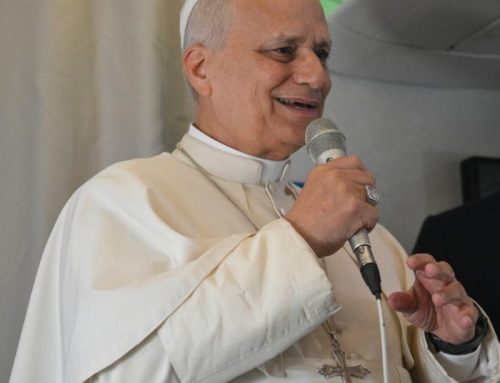
Every time I visit a hospital or a nursing home for people suffering from various illnesses and difficulties, I experience two distinct emotions: on the one hand, I feel the pain and sadness of those who suffer, of those who often carry a great burden, sometimes with visible wounds, other times with invisible ones, but which the person knows they keep in their hearts, in their lives. On the other hand, I feel the pain of the families, who often don't know how to support and help the sick.
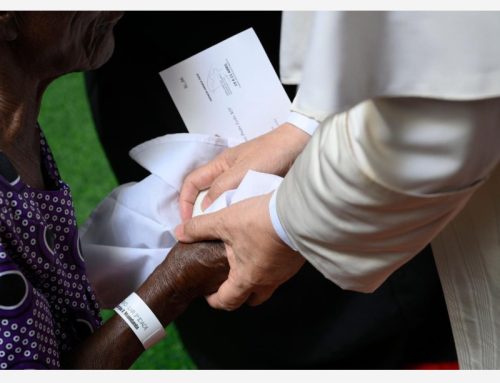
The Pontiff's words show how visiting the sick is not a simple act of courtesy, but an authentic encounter with human suffering. The Pope stopped to listen, greet, and bless: small gestures that restore dignity and make each person feel recognized.
3. Closeness to families and healthcare workers
In his speech, Pope Leo XIV expressed gratitude towards doctors, nurses and operators who care for patients every day. Vatican News emphasizes how the Pope encouraged those working in the mental health field to continue with dedication and humanity, recalling that care is not just about therapy, but also about relationships.
Alongside the sick, the Pope addressed words of support for families, often strained by the strain of daily care. Visiting the sick also means supporting those who live alongside suffering, sharing their burden and offering hope.
4. Visiting the sick: a necessary mercy today
The visit to the psychiatric hospital in Malabo directly recalls one of the works of mercy more concrete corporal: visit the sickIt's not enough to simply care for healthcare facilities; it's necessary to cultivate a culture of presence, capable of breaking the loneliness that often accompanies illness.
The Pope's gesture recalls that every Christian is called to be a neighborEntering a hospital, stopping to listen to those who are suffering, dedicating time and listening are simple yet profoundly evangelical acts. A visit becomes spiritual care, human support, and a sign of a community that leaves no one behind.
In Malabo, Pope Leo XIV showed that visiting the sick means making God's mercy visible: a discreet yet concrete presence, capable of transforming a place of pain into a space of shared hope.
Source and image
Pope Leo XIV visits the psychiatric hospital in Malabo and calls for the work of mercy. “visit the sick”, sign of a Church that does not abandon those who suffer
- A visit that puts the patients at the center
- The Pope's gaze in the face of suffering
- Closeness to families and healthcare workers
- Visiting the sick: a mercy needed today
1. A visit that puts the patients at the center
Among the most intense moments of the apostolic journey to Equatorial Guinea, Pope Leo XIV wanted to make a significant stop at theMalabo Psychiatric Hospital, where the Pope chose to personally meet patients, healthcare workers and family members, placing at the center those who often remain invisible to the eyes of society.
The visit was not merely a symbolic gesture, but a truly pastoral act: entering a place of care means recognizing that the Church must be present where human frailty is most evident. Visiting the sick thus becomes a concrete sign of evangelical closeness.
2. The Pope's gaze in the face of suffering
During the meeting, the Pope shared a personal experience that sheds light on the profound meaning of the visit:
Every time I visit a hospital or a nursing home for people suffering from various illnesses and difficulties, I experience two distinct emotions: on the one hand, I feel the pain and sadness of those who suffer, of those who often carry a great burden, sometimes with visible wounds, other times with invisible ones, but which the person knows they keep in their hearts, in their lives. On the other hand, I feel the pain of the families, who often don't know how to support and help the sick.
The Pontiff's words show how visiting the sick is not a simple act of courtesy, but an authentic encounter with human suffering. The Pope stopped to listen, greet, and bless: small gestures that restore dignity and make each person feel recognized.
3. Closeness to families and healthcare workers
In his speech, Pope Leo XIV expressed gratitude towards doctors, nurses and operators who care for patients every day. Vatican News emphasizes how the Pope encouraged those working in the mental health field to continue with dedication and humanity, recalling that care is not just about therapy, but also about relationships.
Alongside the sick, the Pope addressed words of support for families, often strained by the strain of daily care. Visiting the sick also means supporting those who live alongside suffering, sharing their burden and offering hope.
4. Visiting the sick: a necessary mercy today
The visit to the psychiatric hospital in Malabo directly recalls one of the most concrete corporal works of mercy: visit the sickIt's not enough to simply care for healthcare facilities; it's necessary to cultivate a culture of presence, capable of breaking the loneliness that often accompanies illness.
The Pope's gesture recalls that every Christian is called to be a neighborEntering a hospital, stopping to listen to those who are suffering, dedicating time and listening are simple yet profoundly evangelical acts. A visit becomes spiritual care, human support, and a sign of a community that leaves no one behind.
In Malabo, Pope Leo XIV showed that visiting the sick means making God's mercy visible: a discreet yet concrete presence, capable of transforming a place of pain into a space of shared hope.
Source and image
Source: Vatican News