 Italy
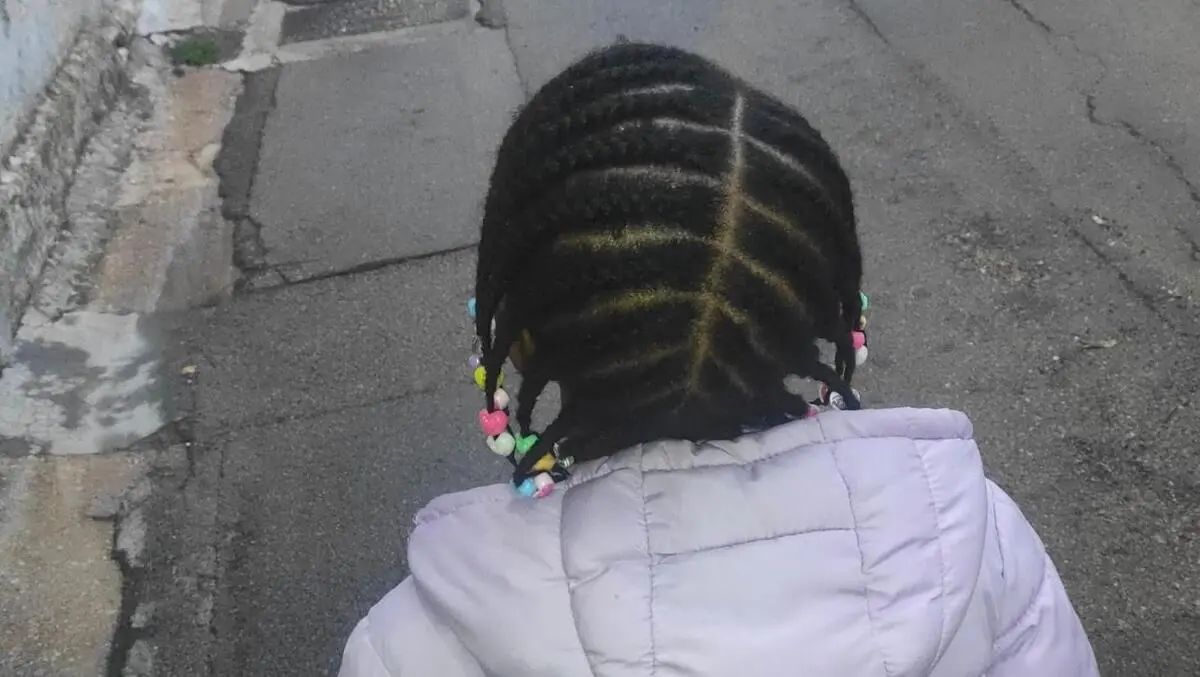
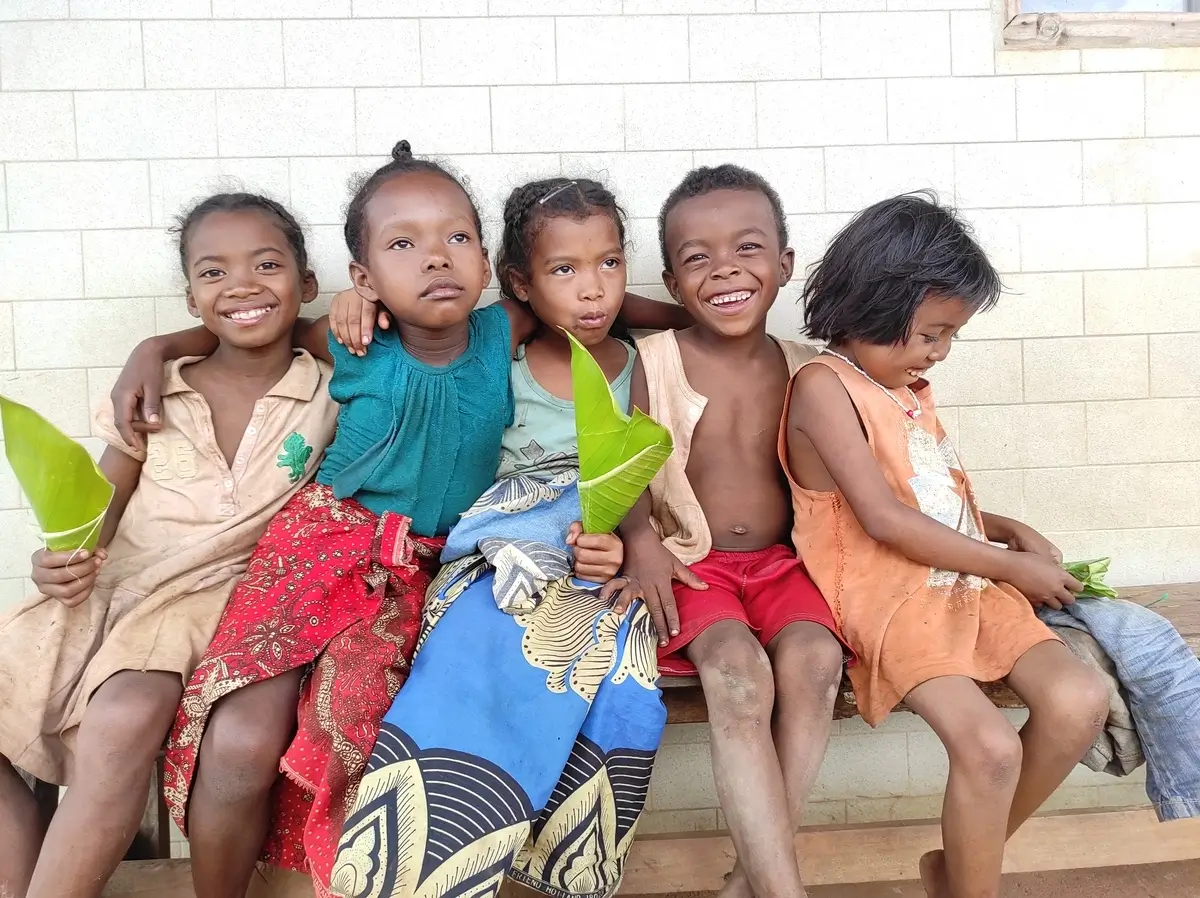
In the morning, before school, there is a ritual that is in no rush. The little girl sits between her mother’s knees, fidgets, laughs, turns around to say something, and her mother patiently turns her head back straight and starts over. One strand, then another, braided tight and neat. She was born in Salento, the land of tarantism, and it shows: she doesn’t stand still for a second, as if the bite had truly taken hold of her. She runs, jumps, hugs with her whole body. She’s growing up like the waters of the sea.
Her mother watches her and works with her fingers, and in those little braids is everything she doesn’t say: the road traveled, the desert, the fear, the choice to stay alone rather than depend on anyone. Each braid is a day won.
She left because she wanted to take control of her own life. That is how she tells it, and perhaps it is her way of holding together the pieces of a journey no one should ever have to make: five thousand kilometers, the desert, the hands of those who turn people into commodities. Many come out of it broken. Not her, or not entirely. Behind her, she has a family that studies, that believes, and a faith that was never just a ritual. It has become a foothold on a land
Then came the baby girl, and with her a love story that ended badly, like so many others. For a single mother, the temptation, sometimes the pressure, is to find someone to help: a partner, a husband, an arrangement between families, an unequal relationship. She said no. She chose to raise her daughter on her own, and to negotiate on her own, every time, over child support, schedules, and decisions. Not out of pride, but for freedom.
The reception project lasted as long as projects do. The day it ended, she took a sheet of paper and wrote. A letter asking for help, in simple, direct words that no one who read it ever forgot. Asking for help, sometimes, is the highest form of autonomy.
Then a parish opened the doors of a home to her: invaluable help that has lasted a long time. For her, the mother, that house, documents, an internship, then another, then yet another, as if trust had to be earned all over again every time. Then a contract. Maybe this time the job is the right one. Maybe. For the little girl, first the nuns, then school, then sports, where all that energy found a field to run on. There were also moments of exhaustion, as happens to every single parent, and she went through them without shame, letting herself be helped.
She is someone who can make it. How many others are there, those who didn’t have the same strength, the same inner freedom, the same luck? For them, the six months, the year, the year and a half are an hourglass running down while searching for a home, a job, a spot in daycare.
And deadline anxiety weighs more than anything else.
I have listened to many women who came from that road. Sometimes with words, more often without: in their lowered eyes, in the distance they keep from anyone who gets too close, in the way they wrap their arms around themselves.
During the journey, and often even before, their body has been taken, sold, used. Love, when it arrives, arrives inside this wound, and does not always know where to settle.
And yet, with children, something happens. The body that was wounded becomes the body that protects. The hands that had to defend themselves become hands that wash, cradle, caress. It is a touch that finally asks for nothing in return, chosen, clean, light, and at the same time full. In that tenderness, there is not only a mother’s love: there is a woman reclaiming her own body, one caress at a time. And there is a bond so close that leaving it without a roof over its head, at the end of a project, is one more wound.
They are not heroines, and we shouldn’t make heroines out of them. Being a mother is not easy for anyone, and it is even less so when there is little or nothing around. Tenderness coexists with exhaustion, with the fear of not making it. Every single parent knows this. Often, more is asked of them: to make it quickly, and on their own.
In May 2023, in Perugia, I visited Casa San Vincenzo, in the historic center, where the Vincentian sisters welcome single mothers with their children. They made a choice against the grain, shared and agreed upon with the Caritas of Perugia. They gave up public funds, and later also help from the municipality, because along with the money came time limits. There, mothers stay as long as needed. In return, they participate: they clean, manage the spaces, and welcome those who arrive later. They are not temporary guests; they are part of the home.
There is a parable that these nuns know well. A wounded man by the side of the road, and a stranger who stops. The Samaritan treats him, lifts him onto his animal, and brings him to an inn. Then he leaves money with the innkeeper and asks him to take care of him, promising to pay the rest upon his return.
He doesn’t say for how long. He doesn’t set a cap. He doesn’t do it all alone: he entrusts, involves, trusts. It is a widespread form of help that passes from hand to hand and lasts for as long as necessary.
Removing the deadline does not mean taking away the drive for autonomy. It means no longer measuring people with a stopwatch. It means giving the time needed.
In the morning, before school, the mother still braids her daughter’s hair. Without haste, with the same patience of those who educate and those who rescue: the kind that doesn’t watch the clock.
Photo by Massimo Buccarello