

 Italy
Italy
Their bodies were found in northern Sudan, about two months after their death. The group, consisting mostly of women and children, had set off in mid-May from South Darfur, heading towards Al Dabba, on the west bank of the Nile.
According to information reported by local media, the vehicle in which they were traveling broke down during the journey. From that moment on, in the desert, the situation rapidly deteriorated. Without water and with no possibility of receiving help, the passengers were unable to survive.
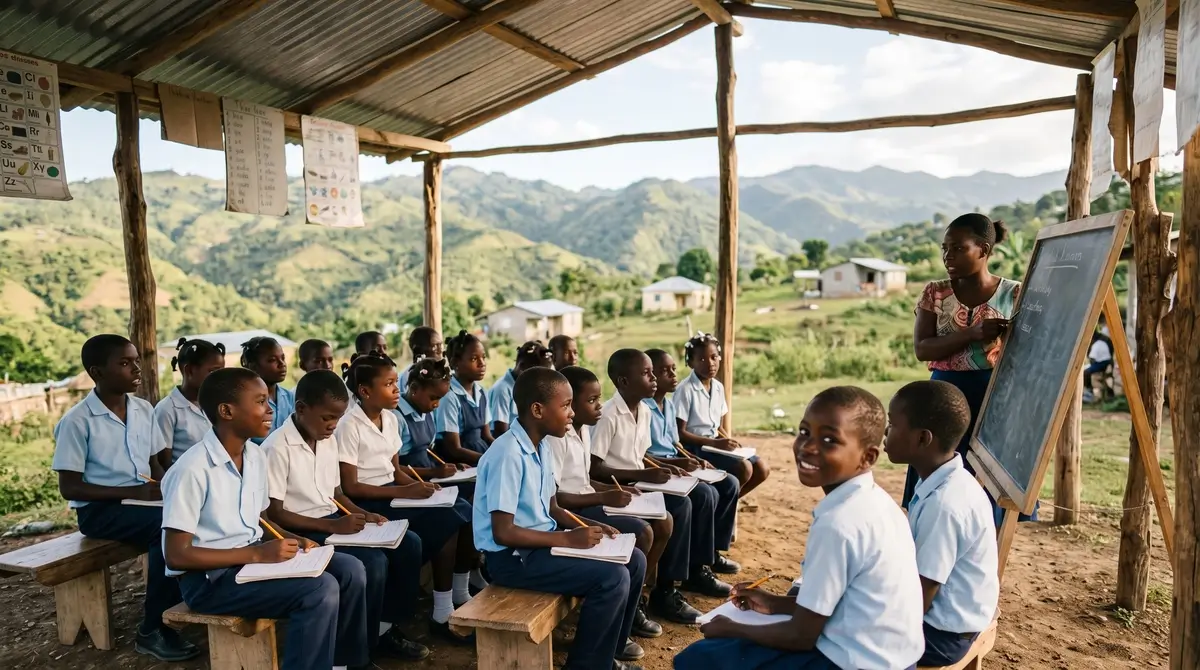
Among the victims was also a teacher who had set off with five of her children. The family was leaving a region devastated by years of war in the hope of reaching a safer area and allowing the children to return to school. A simple plan, rendered impossible in one of the world’s most severe humanitarian crises.
A war that continues to displace people
The Sudanese conflict, which began in April 2023 between the regular army and the paramilitary forces of the Rapid Support Forces, has killed thousands and forced millions of people to flee their homes. Darfur is one of the areas most affected by the violence.
People continue to move in search of safety, but escape routes are often difficult and dangerous. Those who manage to leave combat zones must face a lack of food and water, unsafe roads, and a shortage of aid. For many, escaping does not mean being safe.
The situation is particularly severe in other regions of the country as well. In North Kordofan, escalating clashes have forced thousands of people to leave their homes. Among them are many children who have been living away from school and in conditions of extreme precariousness for years.
A crisis at risk of being forgotten
The tragedy of the 33 people who died in the desert shows once again the consequences of a war that continues to receive insufficient international attention relative to its severity. Sudan is today one of the main global humanitarian emergencies, but the conflict often remains on the margins of international news.
Behind the numbers of displaced people and victims lie concrete stories. Like that of a mother trying to take her children away from the war. Like that of children who should have been thinking about school and the future, but instead died while fleeing.
Their journey stopped in the desert. Their story, however, should not stop there. Telling it means remembering that Sudan is not just one crisis among many others, but a war that continues to affect millions of people and cannot be allowed to vanish from international debate.
Digitally created image by spazio + spadoni