

 Italy
Italy
Independence looking to the future between resilience and missionary hope
On August 5, Burkina Faso commemorates the achievement of independence from France, obtained in 1960 when the former Upper Volta became a sovereign state. Although the official celebrations of the national holiday take place today on December 11, for historical and organizational reasons, August 5 remains the date marking the birth of the country’s independence. It is an anniversary that invites reflection not only on the nation’s political journey, but also on the extraordinary resilience of a people who continue to face poverty, instability, and terrorist violence without giving up hope.
Today’s Burkina Faso, renamed in 1984 by Thomas Sankara with a name meaning “Land of Upright People”, is a young land rich in traditions. In recent years, the country has been deeply affected by attacks from jihadist groups, which have caused thousands of casualties and millions of internally displaced persons. In this challenging context, Independence Day takes on an even deeper meaning: reaffirming the dignity of a people who continue to believe in peace, coexistence, and social reconstruction.
The mission that builds fraternity
The history of the Catholic Church in Burkina Faso has accompanied that of the country for over a century. Evangelization began in 1899 with the arrival in Ouagadougou of the Missionaries of Africa, the famous White Fathers, led by Bishop Prosper Augustin Hacquard. The bishop immediately sensed the potential of that land, describing it as one of the most promising mission fields in the entire Vicariate. In the following decades, schools, dispensaries, healthcare centers, and Christian communities were established, contributing not only to the spread of the Gospel, but also to the cultural and social development of the population.
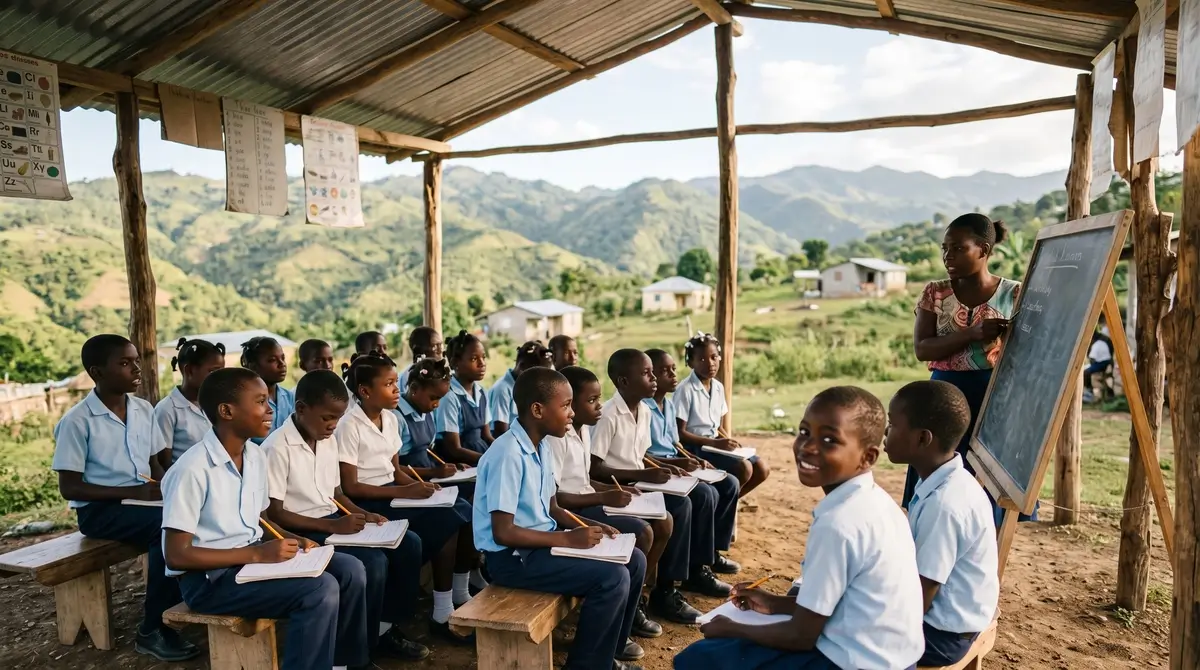
Today, the Church continues to be a point of reference for thousands of families, especially in areas most affected by insecurity. Priests, religious sisters, and catechists remain alongside communities even when violence forces entire villages to flee their homes. Numerous dioceses have opened reception centers for displaced people, providing food aid, education for children, and psychological support for those who have lost everything.
Witnesses of hope
Burkina Faso’s independence reminds us that freedom is not merely a political achievement, but a daily commitment. In a country where Christians and Muslims have long lived in harmony, the testimony of missionaries continues to be one of dialogue, reconciliation, and service to the most vulnerable. It is a discreet yet steadfast presence that does not allow itself to be discouraged by hardship.
By celebrating August 5, Burkina Faso renews the memory of its history and looks to the future with the desire to build a more just society. Alongside the Burkinabé people, the Church continues to share trials and hopes, recalling that true development stems from education, solidarity, and peace—values capable of making every genuine independence concrete.
Digitally created image by spazio + spadoni