



 Italy
Italy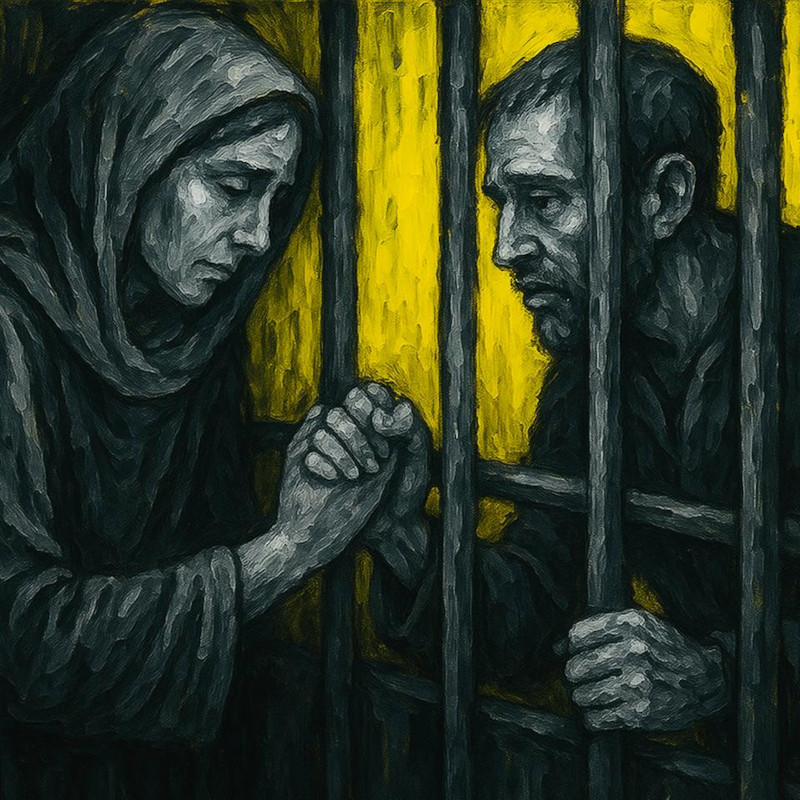
Across the globe, hundreds of thousands of people are held inside correctional institutions. Many are innocent victims of authoritarian regimes, subjected to violence, degradation, and torture. Even within democratic frameworks, the deprivation of personal freedom raises profound moral questions that directly challenge society and faith communities.
The prison reality: beyond numbers and invisibility
In Italy, official data from June 30, 2024, documented 61,480 incarcerated individuals, an increase of 1,314 people compared to the previous semester. The correctional system faces an overcrowding rate of 119%, holding 61,468 individuals within a regulatory capacity of just 47,067 spaces.
This severe structural deficit creates distressing daily conditions: critically constrained living space, compromised hygiene, limited access to medical care, elevated tensions, and an acute inability to deliver authentic rehabilitation programs.
Key indicators highlight systemic vulnerabilities:
- Approximately 60% of convicted individuals have served prior sentences, exposing a high recidivism rate that demonstrates the failure of purely punitive custody.
- Foreign citizens represent 31% of the inmate population, while women account for 4.3%.
- Only 24% of detainees have access to vocational work, and only 34% participate in educational courses.
- Regarding mental health, 6,000 incarcerated individuals cope with severe psychiatric disorders, and over 15,000 rely daily on psychiatric medications.
This hardship is reflected in the most heartbreaking metric: between 2024 and May 2025, 124 suicides were recorded, alongside at least 2,262 life-threatening incidents prevented by correctional officers and cellmates.
The person beyond the offense: a vision of justice
Confronting this crisis requires separating the transgression from the inmate’s intrinsic worth. As magistrate Rodolfo Venditti highlighted, an individual is not defined entirely by their crime; they remain a human being capable of redemption and future transformation. Similarly, Father Luigi Ciotti observed that individuals raised without positive role models or support systems might easily have experienced the same vulnerability to crime.
Pope Francis reflected this humility during his 2017 visit to San Vittore prison: «I do not have the courage to say to anyone in prison: «They deserve it». Why you and not me? The Lord loves me as much as you; Jesus is in you and in me; we are sinner brothers». Placing the visitation of prisoners among the core works of mercy calls us away from easy moral judgments and urges us to restore authentic human dignity.
Gospel closeness: Christ behind bars
Throughout the Bible, God listens attentively to the captive, breaks chains, and restores life. Jesus initiated his public ministry by proclaiming release to captives (Lk 4:18) and experienced imprisonment, humiliation, and abandonment firsthand during his Passion. Apostles Peter and Paul endured similar confinement and loneliness.
This bond was central to the ministry of Pope Francis. On Holy Thursday, April 17, 2025, shortly before his passing, he visited Regina Coeli prison to wash the feet of inmates, continuing Jesus’ posture of humble service. On December 26, 2024, he opened the Holy Door at the Padre Nostro chapel inside Rebibbia prison—marking the first time in history a Jubilee Door was opened within a correctional facility—affirming that open doors represent hearts opened to hope. In his will, he bequeathed two hundred thousand euros to support prisoners directly. As Cardinal Matteo Zuppi emphasized, detainees are truly the least of Christ’s brethren.
Cultivating paths of restoration and hope
While volunteer groups provide vital assistance alongside chaplains and social workers, wider society must cultivate a new perspective. Caring for the incarcerated goes beyond periodic charity: it demands basic necessities, sustained correspondence, transitional housing, and genuine employment opportunities upon release.
As Father Roberto Davanzo noted, the essential challenge is cultural: bridging isolation and remorse through genuine encounter, and advancing restorative justice that fosters authentic healing between victims and offenders. By living out this compassionate mission, fostered consistently through the work of spazio + spadoni, we heed the biblical call to remember those in prison as if we were chained beside them.
Image created digitally by spazio + spadoni
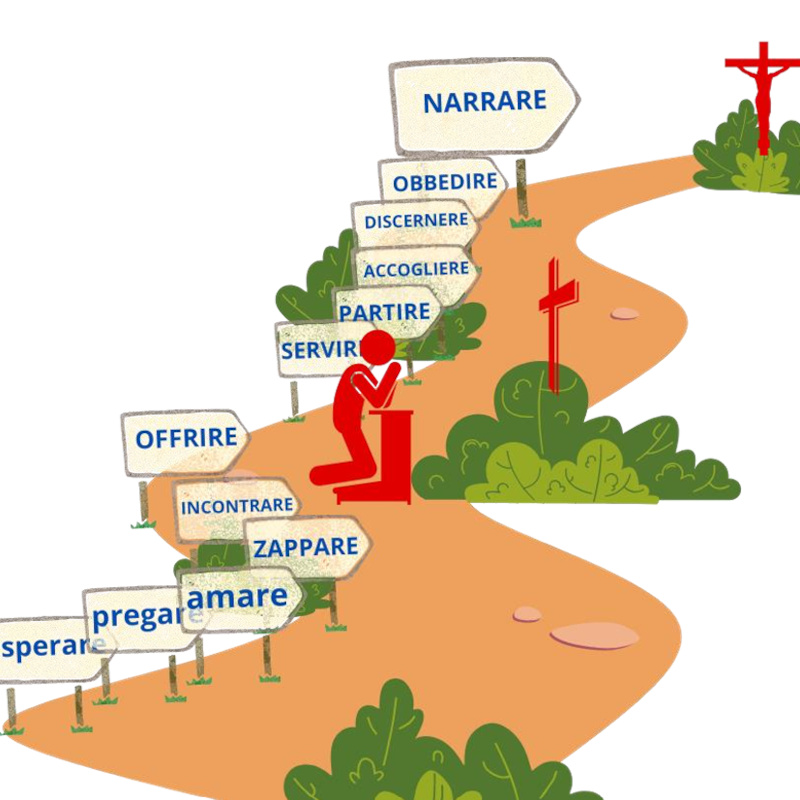
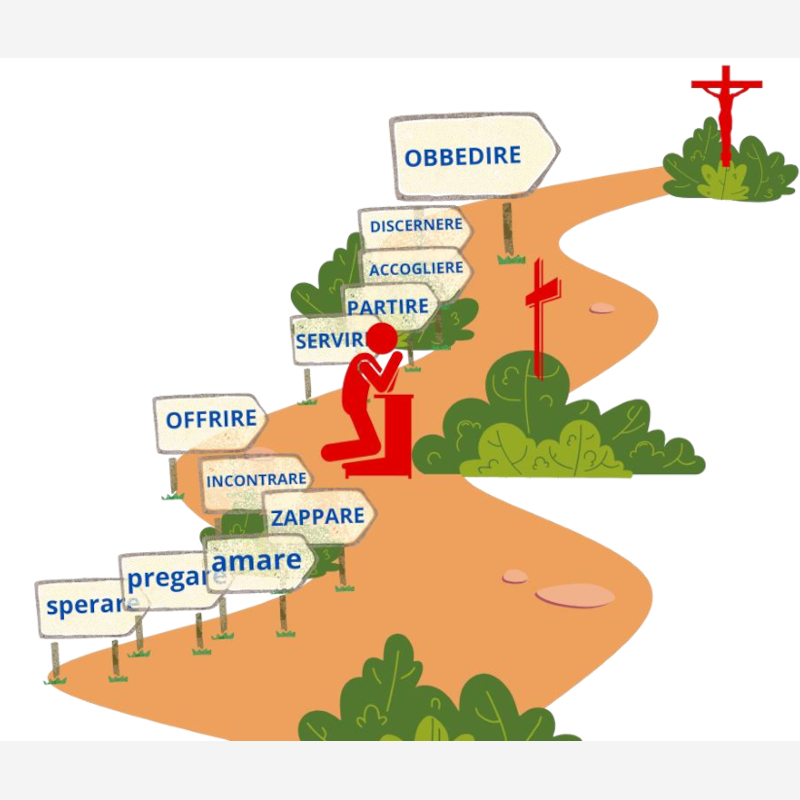
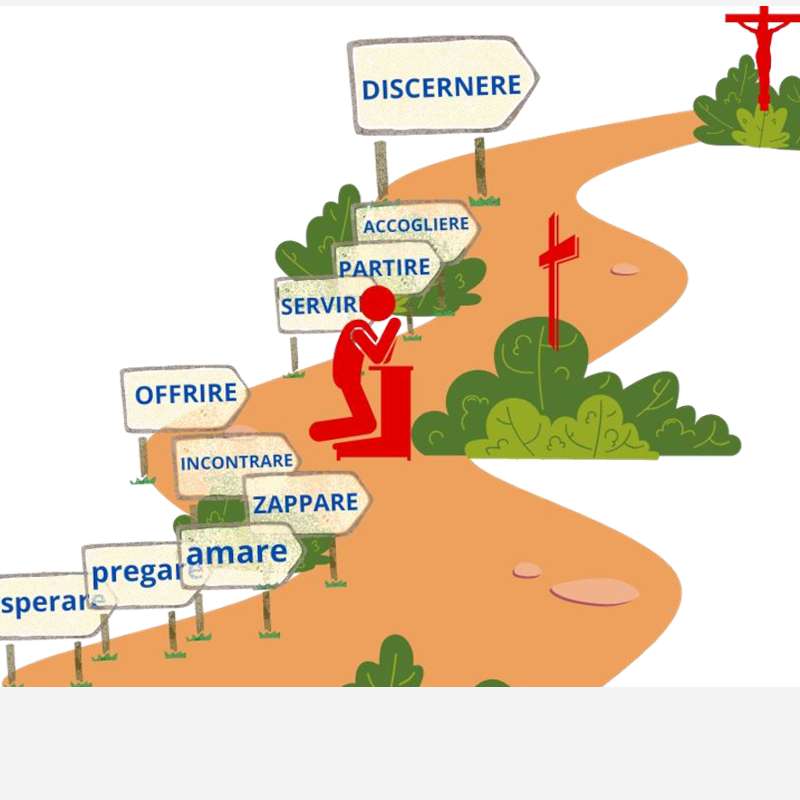

Being Witnesses of Mercy – ILLUMINATE
2 February 2026