

 Democratic Republic of the Congo
While medical science achieves extraordinary progress in many parts of the planet, curing widespread and treatable diseases remains a privilege reserved for a fortunate few. The recent emergency surrounding the spread of the Ebola virus in the Democratic Republic of Congo — with a tragic toll exceeding two thousand five hundred confirmed cases and over one thousand deaths — once again highlights a dramatic ethical and social issue: the profound inequality in curing diseases.
Beyond the emergency: the roots of healthcare disparity
We are not merely facing a public health emergency, but a complex structural crisis fueled by years of bloody armed conflicts, extreme poverty, and recurring violence suffered by local populations. In the provinces of Ituri and Kivu, the epidemic is spreading at an alarming rate, particularly within overcrowded camps for internally displaced persons.
In these fragile environments, the complete lack of clean drinking water, inadequate sanitation, and a severe shortage of proper medical facilities and supplies make effective patient isolation and contact tracing nearly impossible. Furthermore, the scarcity of diagnostic test kits and timely medical treatments transforms a preventable and curable illness into a fatal sentence.
This global contrast is stark and unacceptable:
- In developed nations: access to early prevention protocols and medical treatment guarantees high survival rates.
- In conflict and impoverished zones: institutional neglect breeds terror, misinformation, and deep mistrust toward medical staff.
In this devastating scenario, the most vulnerable suffer most, including hundreds of infants and young children who lose their lives due to the total collapse of the local healthcare system.
Building networks of dignity and reciprocity
Guaranteeing the universal right to health requires far more than sending emergency relief packages during the peak of a crisis; it demands building a permanent, sustainable network of healthcare, prevention, and human dignity. True solidarity and reciprocity cannot be managed through temporary or paternalistic welfare approaches. Instead, they must become the driving force behind deep social transformation, restoring voice, agency, and fundamental rights to marginalized communities.
The ongoing mission promoted by spazio + spadoni aligns directly with this vision. By re-evaluating the Works of Mercy and fostering community projects based on solidarity and self-development, daily efforts are made to ensure that no individual and no community is left behind.
Empowering local communities, training healthcare personnel on the ground, and promoting preventive health education serve as essential pillars to break the vicious cycle of poverty and disease. Health is a universal human right: bridging the gap in access to medical care is not only an urgent moral obligation, but the first concrete step toward a more just and compassionate world.
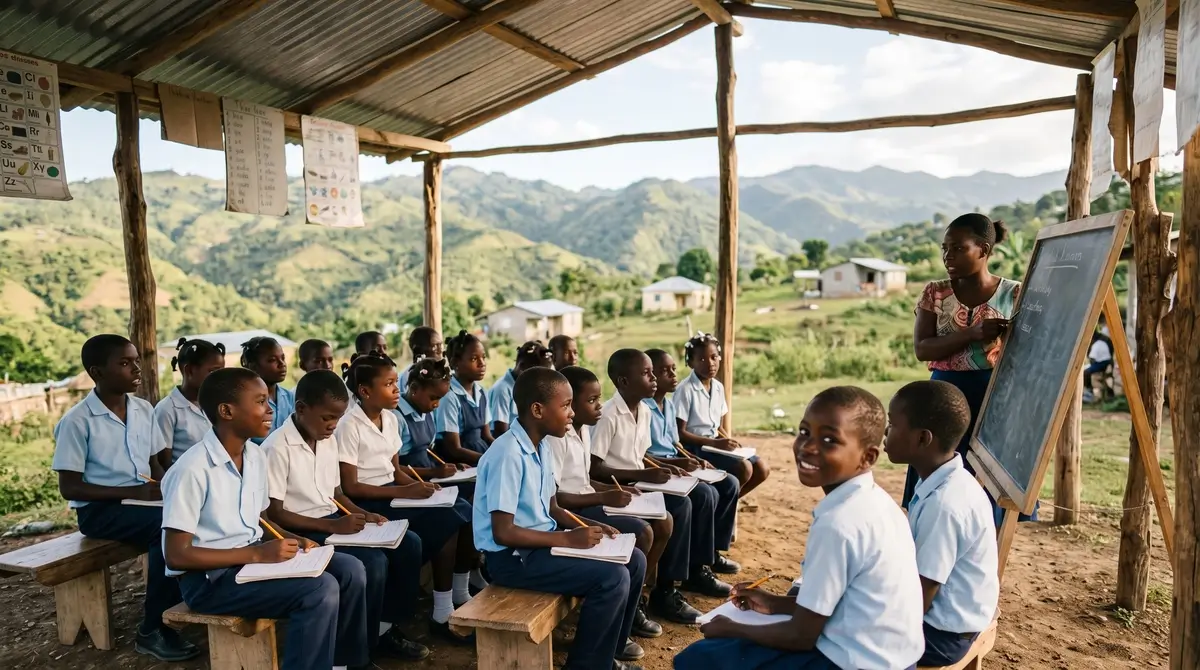
Digitally created image by spazio + spadoni