



 Italy
Italy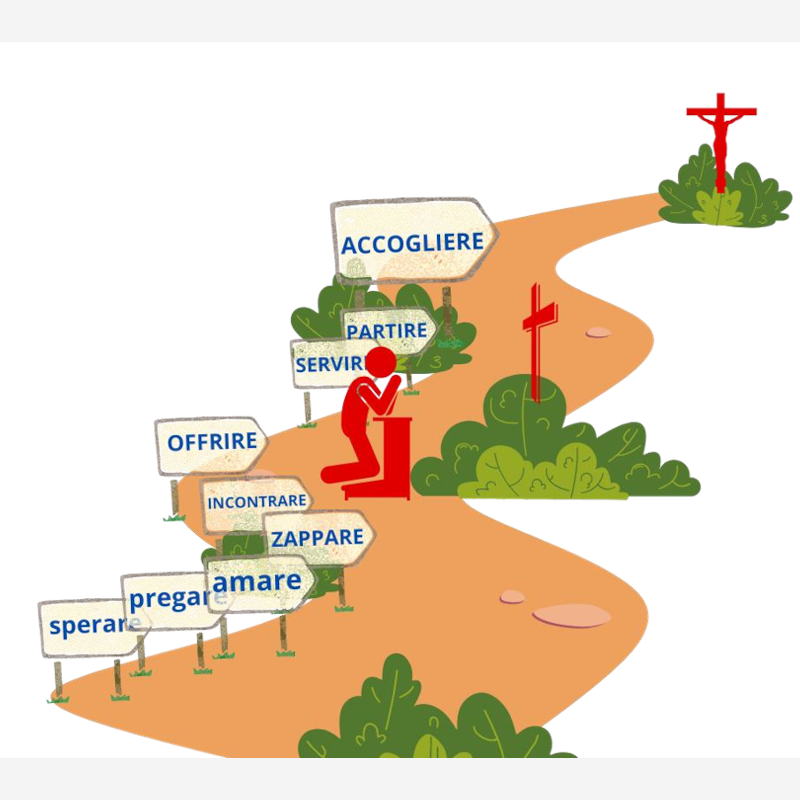
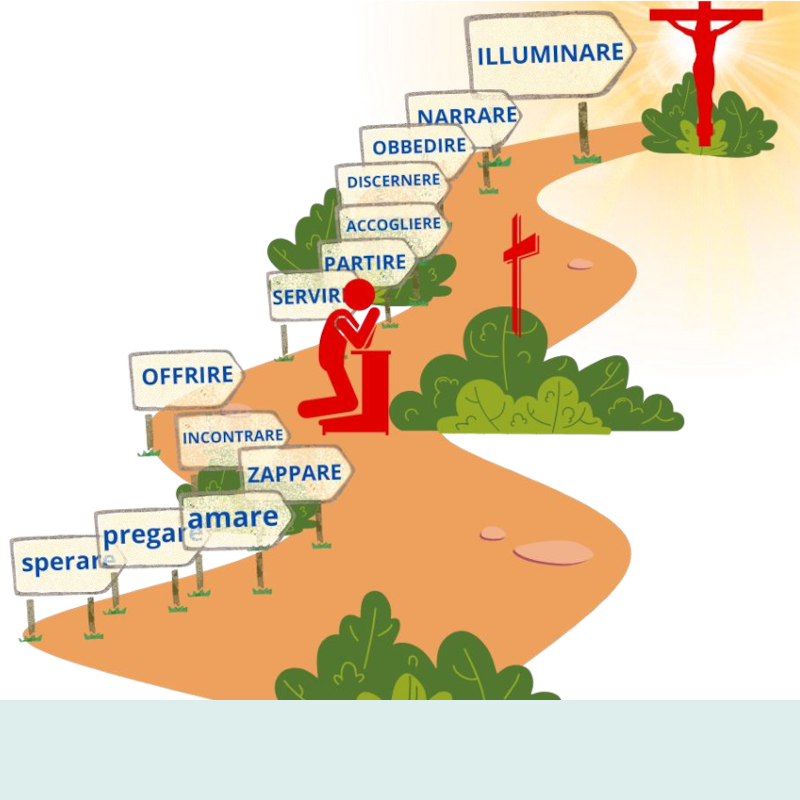
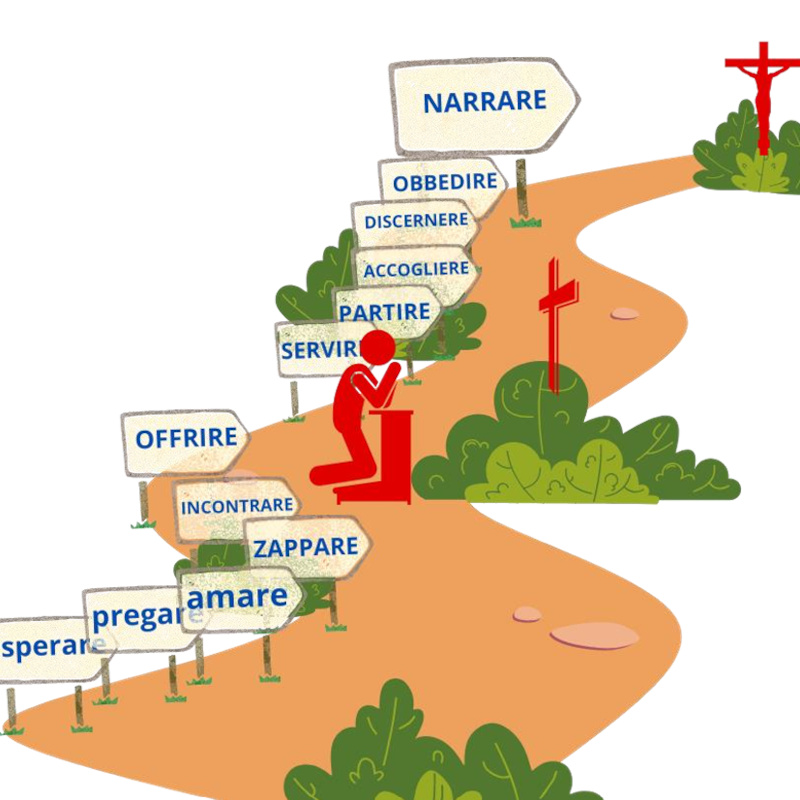
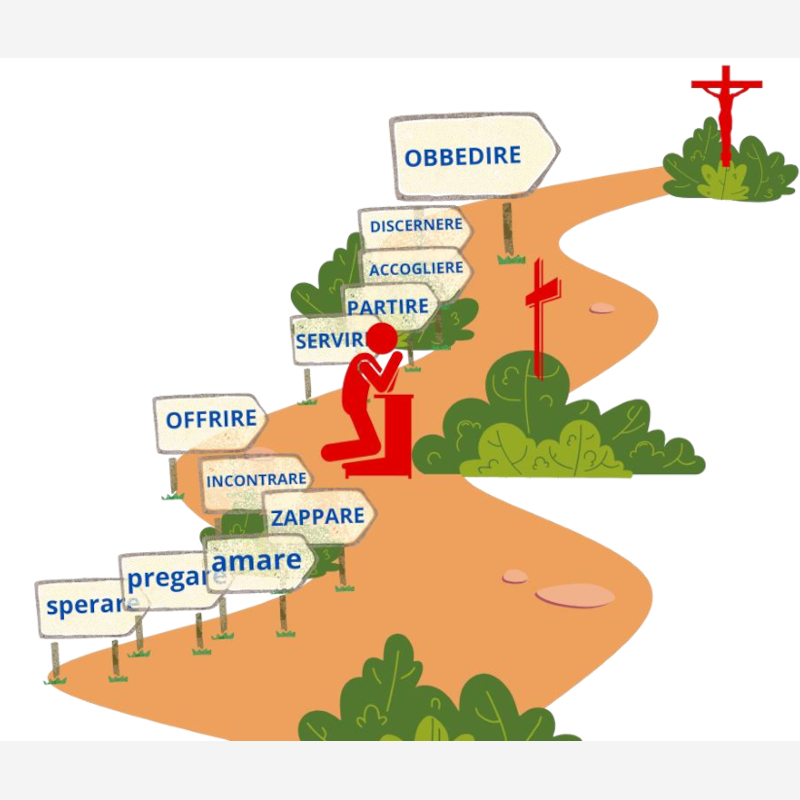
The column “Witnesses of Mercy” with the (flip) book by Nino Savarino. This Monday, the verb “to welcome” and the work “sheltering the pilgrims”.
One chapter at a time from the book by Nino Savarino, Governor of the Misericordia of Rosolini, friend of spazio + spadoni and collaborator on various projects and the blog.
From Psalm 15 (14)
Lord, who shall abide in your tent? Who shall dwell on your holy hill?
He who walks blamelessly, does what is right, and speaks truth from his heart;
who does not slander with his tongue, does no harm to his neighbor,
nor casts slurs on his fellow man.
Welcoming the brother. Living together under the same tent
Pope Francis said: “Love impels us towards universal communion. No one can mature or reach personal fulfillment by being isolated. By its very dynamic, love calls for growing openness, an ability to welcome others, in a continuing adventure that directs every periphery towards a greater sense of mutual belonging.
Jesus told us: «You are all brothers» (Mt 23:8)” (FT, 95).
Welcoming is an expression of love, of that dynamism of openness that prompts us to pay attention to the other, to seek the best for their life (cf. FT, 91-94), and which in its purest form is charity infused by God.
To the extent that a society is permeated by this posture of openness and welcome, it becomes capable of integrating all its members, even those who, for various reasons, are “existential foreigners” or “hidden exiles,” as people with disabilities or the elderly often find themselves to be (cf. FT, 97-98).
“Welcoming means providing a dignified space, but above all preparing oneself to listen to the other’s diversity, which becomes wealth.
Listening implies setting aside judgment, that is, renouncing prejudice to open oneself to the knowledge of self and others that fosters dialogue.”
How many times, while listening to the news, have we been moved by the many migrants who perished at sea.
“Poor souls,” we remarked, while continuing our dinner.
How many times, watching the news, have we agreed with those who say that the stranger should stay in their own home.
A thorny subject.
The reality is that if the stranger is white and does not come from Africa, they are not seen as so much of a stranger. If, however, they are Black, African, and perhaps from another religion, then they are more than a stranger: they are viewed as a foreign body.
A thorny subject.
Because even when a migrant lives next door, they still remain an “other” in relation to you and your circle of friends.
It is the fear of difference and diversity.
Perhaps the moment has truly arrived to get to know one another without fear and pitch our tent wide open.
Our journey will be truly beautiful if we remember that we too are strangers to others, and that beneath the very same tent, we are all brothers and children of the same God.
What can we do in practice?
Sheltering the pilgrims
An angel of the Lord appeared to Joseph in a dream and said: «Rise, take the child and his mother, flee to Egypt, and stay there until I tell you; for Herod is going to search for the child to destroy him» (Mt 2:13). The flight of the Holy Family to Egypt was not the result of a free choice, just as many of the migrations that shaped the history of the people of Israel were not.
Migrating should always be a free choice, but in reality, in very many cases even today, it is not.
Conflicts, natural disasters, or simply the impossibility of living a dignified and prosperous life in one’s land of origin force millions of people to leave.
Already in 2003, Saint John Paul II stated that «building concrete conditions of peace, as far as migrants and refugees are concerned, means committing seriously to safeguarding first of all the right not to emigrate, that is, to live in peace and dignity in one’s own homeland».
Message of Pope Francis for the 109th World Day of Migrants and Refugees 2023.
Points for reflection
He looked up and saw three men standing near him. When he saw them, he ran from the tent entrance to meet them, and bowed down to the ground, saying: «My lord, if I have found favor in your eyes, do not pass by your servant. Let a little water be brought, wash your feet, and rest under the tree. Let me fetch a morsel of bread, and refresh your hearts; after that you may go on, since you have come to your servant» (Gen 18:2–5).
Source and image: Nino Savarino, Testimoni di misericordia, pp. 46-50
Being sensitive to the pain of others to transform suffering into hope
27 July 2026