



 Italy
Italy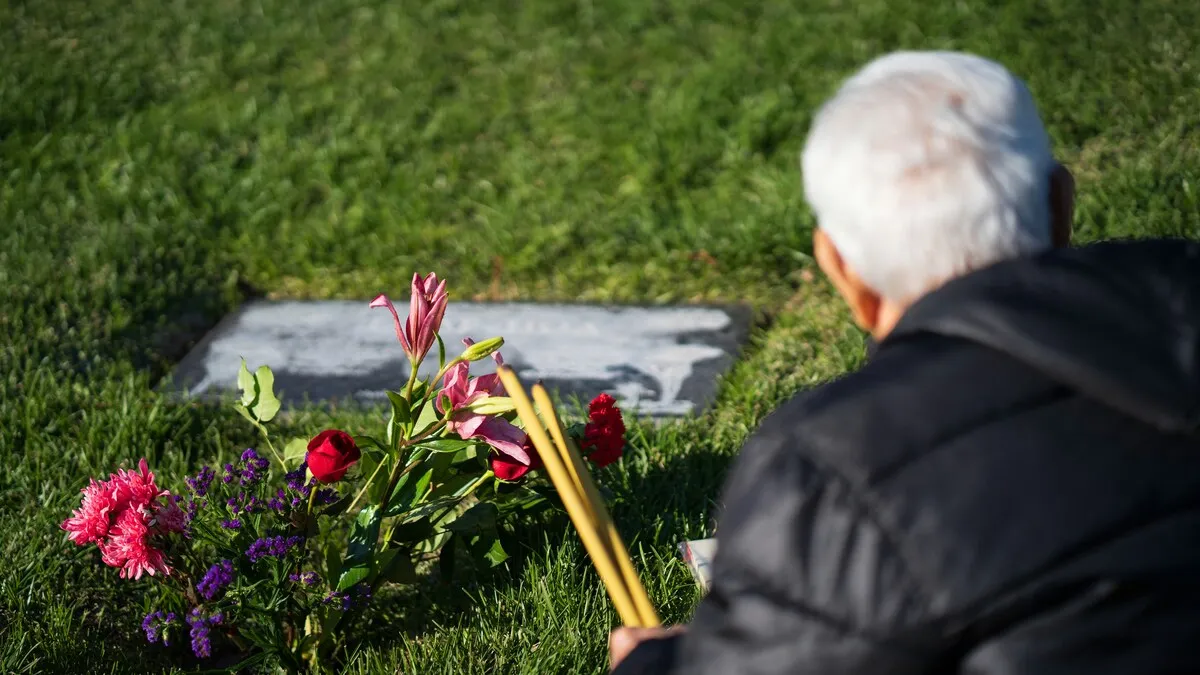
The Works of mercy through the eyes of a biblist
Biblical scholar and friend Carlo Miglietta accompanies us in our daily reflection on the Works of mercy.
In this time, spazio + spadoni is preparing to welcome brothers and sisters from many parts of the world to build tools together that allow the dissemination of the works.
The seventh corporal Work of mercy is “to bury the dead”.
The biblist points out that whoever performs this work is similar to:
- Abraham, who buries Sarah (Gen 23:6); Joseph, who buries his father Jacob (Gen 50:7,14); Tobit, who buries the dead at the risk of his own life, having to flee while his property is confiscated by King Sennacherib (Tob 1:17-20); and who then, upon returning home, fearlessly resumes this work of mercy amidst the astonishment and derision of his neighbors (Tob 2:1-9).
- The woman, a sinner according to Lk 7:37, who in Bethany anoints Jesus with fragrant oil, and Jesus exclaims: “In pouring this ointment on my body, she did it to prepare me for burial” (Mt 26:6-16).
- Joseph of Arimathea, who gave his own tomb to Jesus, and who had the courage to go to Pilate and ask for the body of Jesus (Mt 27:57-60).
- Nicodemus, who brought a mixture of about a hundred pounds of spices to anoint the body of Jesus (Jn 19:38-42).
The biblist also reminds us that whoever buries the dead listens to the Word of God.
Below are some excerpts:
- “My child, shed tears for the dead, and as one who suffers bitterly begin the lament; then bury the body according to due ceremony and do not neglect the tomb” (Sir 38:16).
- “Their bodies were buried in peace” (Sir 44:14).
- “The body is not meant for sexual immorality, but for the Lord, and the Lord for the body” (1 Cor 6:13).
- “Do you not know that your bodies are members of Christ?” (1 Cor 6:15; 12:27; Eph 5:30).
- “Do you not know that your body is a temple of the Holy Spirit within you, whom you have from God…? Therefore glorify God in your body!” (1 Cor 6:19-20).
- “We wait for… the redemption of our bodies” (Rom 8:23).
- “For this perishable body must put on imperishability, and this mortal body must put on immortality” (1 Cor 15:53).
- “For we know that if the earthly tent we live in is destroyed, we have a building from God, an eternal dwelling in the heavens” (2 Cor 5:1).
- “Jesus will transform our lowly body that it may be conformed to his glorious body” (Phil 3:21).
The biblist leaves us at the conclusion of this work with a thought-provoking challenge, a question: do we know how to be “fishers of men” (Mk 1:7), identifying those who care for the bodies of the dead and announcing to them the beatitude of Mercy which states “Blessed are the merciful” (Mt 5:7)?
Burial in Africa
While in Western culture the subject of death is almost a taboo, in African culture it is in close communion with life. God is life, and as such, life is eternal.
Since ancient times, it was believed that the deceased could return to haunt the living through their soul, which remained alive even after death; this belief has always fostered special care for a deceased body and its dignified burial.
There is a common proverb throughout Africa: “When an elder dies, it is as if a library burns down”, highlighting the vital role of the elderly person: not a burden or an outcast, but a rich source of wisdom thanks to their long life experience, a true elder.
For this reason, their death and burial are accompanied by a longer period of mourning lasting several days and by a large ceremony where stories are shared, dances are performed, and the same food and drinks that the deceased enjoyed in life are offered in their memory.
The collective veneration of the dead becomes a fundamental moment when relatives, family members, and friends gather to reflect together and make important decisions. Each person desires a space to share their remembrance and personal farewell.
The loss of a loved one in Africa is not only associated with sorrow and weeping, but also with the joy of taking part in traditional and religious ceremonies that connect the living with the departed; it becomes almost a celebration.
In Africa, mourning and the burial of a deceased loved one entail significant costs, borne entirely by the family; yet especially in this circumstance, the solidarity and closeness of the community shine through.
Being Witnesses of Mercy – ILLUMINATE
2 February 2026