 Tanzania
One year after the dramatic electoral events that shook Tanzania, the local Catholic Church renews its commitment to social justice and the healing of collective wounds.
Through a special pastoral letter, the bishops of the country have called a solemn day of prayer and suffrages for Thursday, October 29, dedicated to all those who lost their lives, the injured, and those who are still missing due to the post-election clashes.
A living memory to safeguard human dignity
The events date back to the general election of October 29, 2025, held in a climate of intense political and social polarization. Tensions stemming from the exclusion of prominent opposition figures and subsequent popular demonstrations led to severe clashes with law enforcement. Official figures counted over five hundred victims, overwhelmingly unarmed civilians, along with hundreds of injured and arrested individuals.
Monsignor Wolfgang Pisa, Bishop of Lindi and President of the Tanzania Episcopal Conference, titled his Swahili-language exhortation “Bwana Awape Amani!”, or “May the Lord give you peace!”.
The message draws inspiration from Sacred Scripture to remind us that the pain of those who have suffered unjust violence cannot be erased by silence or indifference. The memory of the victims thus becomes a moral duty to protect human dignity and build a future based on mutual respect.
Liturgy and solidarity in the territories
The Bishops’ Conference has invited parishes, chapels, and religious institutes to celebrate memorial Masses in every diocese. This is not only an act of religious piety, but a tangible testimony of closeness to families affected by grief and the anguish of loss.
Entrusting the nation to God means asking for the strength to transform rancor into dialogue and fear into fraternal communion. Communal prayer becomes an instrument to safeguard hope, especially where political division has created deep fractures within civil communities.
A journey toward truth and reconciliation
The Tanzanian prelates had already firmly denounced the brutality of armed interventions, calling all citizens and institutions to moral responsibility. True reconciliation does not arise from forgetting suffering, but from sincerely listening to victims, restoring the rule of law, and freeing those who have been unjustly imprisoned.
In this time of remembrance and discernment, the Church’s appeal represents an invitation to rediscover the common good. Only by guaranteeing spaces of freedom, transparency, and fraternity will it be possible to heal social rifts and chart shared paths toward lasting peace.
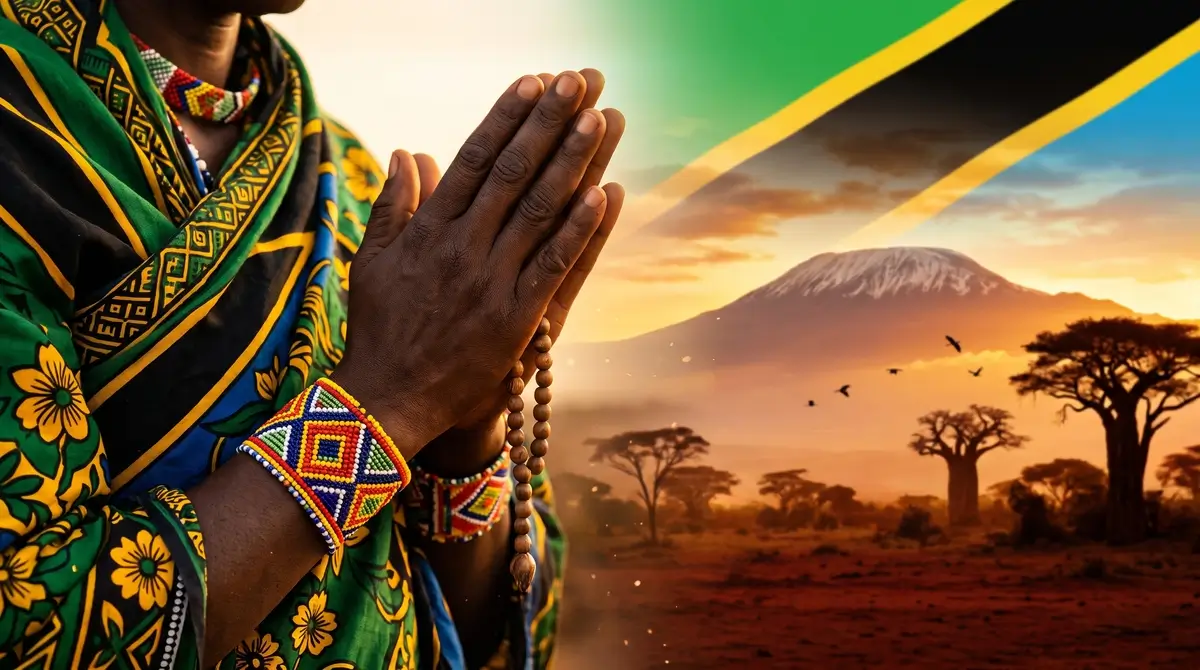
Digitally created image by spazio + spadoni
Source: Agenzia Fides