


 Democratic Republic of the Congo
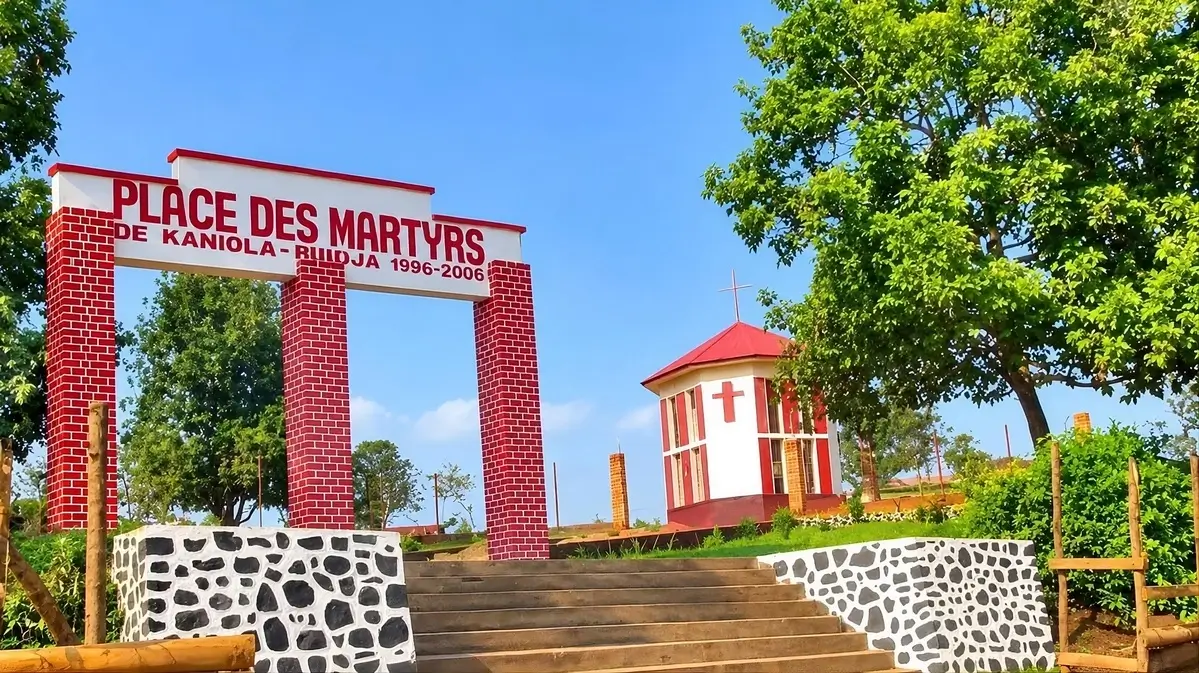
October 10, 1996 – October 10, 2026. Exactly thirty years.
On 10 October, bells and prayers echoed in Kaniola, in the Walungu territory (South Kivu), to commemorate the victims of the massacres that struck this community between 1996 and 2006.
According to testimonies from survivors and local authorities, hundreds of civilians lost their lives and thousands of families endured bereavement and forced displacement during the violence attributed to Hutu/FDLR armed groups present in the region at the time.
To mark this thirtieth anniversary, survivors, victims’ families, and community leaders gathered for a time of reflection and prayer.
Among them was patriot and community leader KAHASHA MURHULA Albert, known as FOKA-MIKE, who had mobilized with other local youths to protect civilians and foster the return of the displaced. In an interview, he relates:
«We did our part to stop the bloodshed, with God’s help. But, 30 years later, the wound has not yet healed. People still remember as if it were yesterday».
In Kaniola, trauma remains ever-present. This is what we witnessed on site: women who have never been able to process their grief, men living with post-traumatic stress disorders without receiving care, and children growing up in fear of a renewed assault. A fear stoked today by persistent insecurity in eastern DRC, driven especially by rebel group activity.
What do the survivors ask for today?
Beyond remembrance, they issue three appeals that directly resonate with the Works of Mercy:
- The right to justice: that the perpetrators of these crimes be identified and brought to justice, not out of revenge, but to break the cycle of impunity.
- The right to healing: Kaniola lacks any facility for psychological support. The most urgent work here is comforting the afflicted and healing the wounds of the soul.
- The right to memory: that the national and international community do not forget Kaniola, so that such tragedies are never repeated.
On this day of commemoration, the commitment of the Muzalendo (patriots) of Kaniola reminds us that mercy is not mere rhetoric, but tangible action: protecting, burying the dead with dignity, and standing close to the living.
Photo by Destin Byandike