


 Timor-Leste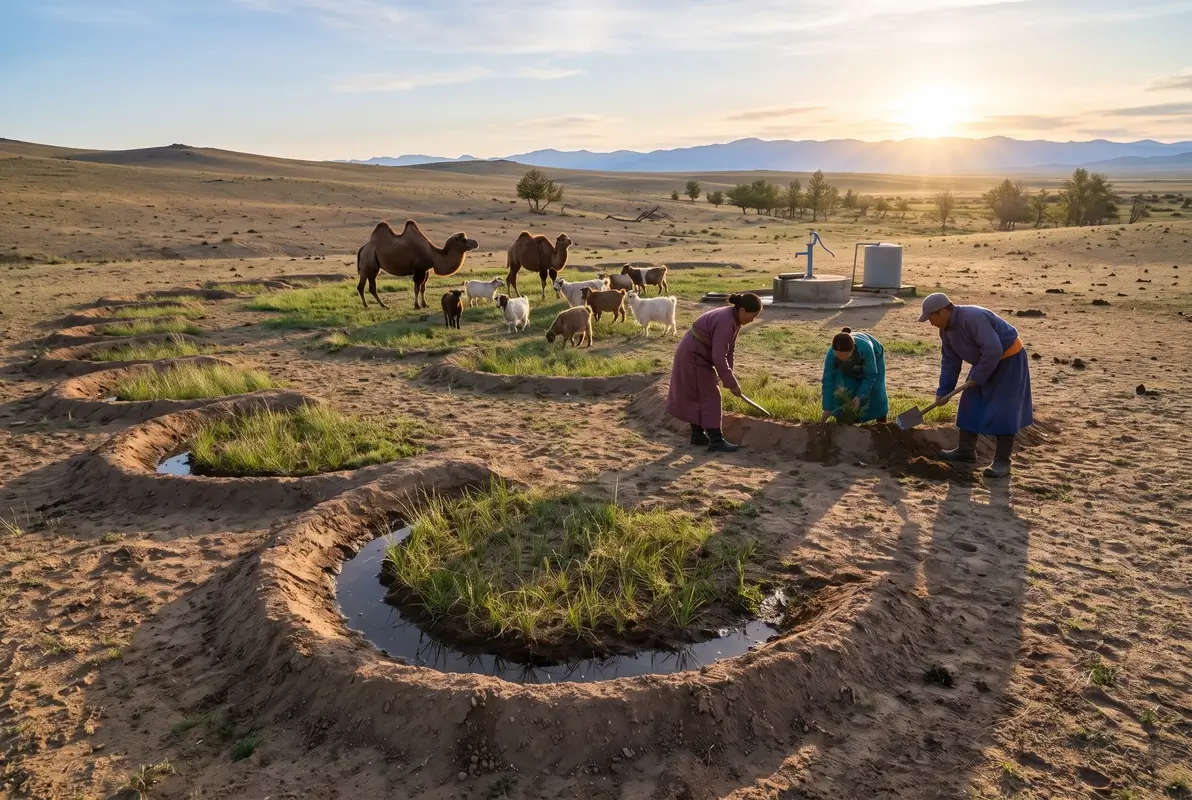
The vastness of the Mongolian highlands reflects a thousand-year history of deep harmony and delicate balance between humanity and nature. Today, however, this ancestral bond is at serious risk of fracturing under the relentless advance of aridity and environmental degradation. On the occasion of COP17 in Ulaanbaatar, the alarm sounds with undeniable urgency: soil degradation and desertification now affect nearly 77% of the national territory, severely testing the livelihood of over a third of the population who depend on traditional pastoralism.
An environmental crisis affecting vulnerable communities
«Desertification in Mongolia is visible to the naked eye», explains Sister Sandra Garay, a Consolata Missionary and Executive Director of Caritas Mongolia. Traveling through rural areas outside the capital, the symptoms of ecological distress are glaring: natural water springs are disappearing, indigenous vegetation is giving way to sand, and dust storms have more than tripled since the 1960s.
Compounding this challenging reality is the dzud, an extreme climatic phenomenon peculiar to the region, characterized by brutally freezing winters following scorched, dry summers. In the 2023–2024 period alone, almost eight million animals perished due to subzero cold and grazing shortages. For nomadic herders, losing their herds means losing their entire livelihood and falling into immediate poverty.
Giving drink to the thirsty: preserving life and dignity
In a landscape defined by an acute thirst of both soil and people, compassionate action authentically embodies the corporal work of mercy to give drink to the thirsty. In the Mongolian steppe, this gospel imperative goes far beyond temporary emergency aid: it becomes a lasting structure of ecological justice aimed at safeguarding aquifers, restoring community wells, and ensuring responsible water stewardship.
Quenching the thirst of families and their land means upholding human dignity, curbing forced rural migration to urban peripheries, and rebuilding the vital foundation needed for community life and biodiversity to flourish.
Innovative solutions and hope for the future
The response to this water crisis takes shape through concrete, regenerative initiatives. Among these is the introduction of «half-moons», semicircular water-harvesting bunds designed to trap rainfall, boost soil moisture, and stimulate the natural regeneration of degraded grasslands.
Furthermore, building passive solar greenhouses and providing training in organic farming allow smallholders to diversify their sources of income, greatly enhancing their resilience against severe climate shocks.
«Caring for the earth means caring for people», affirms Sister Garay. Responding to the thirst of the steppe through active solidarity and shared responsibility is a living testament to universal fraternity and the stewardship of creation.
Image created digitally by spazio + spadoni
Source: Agenzia Fides