



 Italy
Italy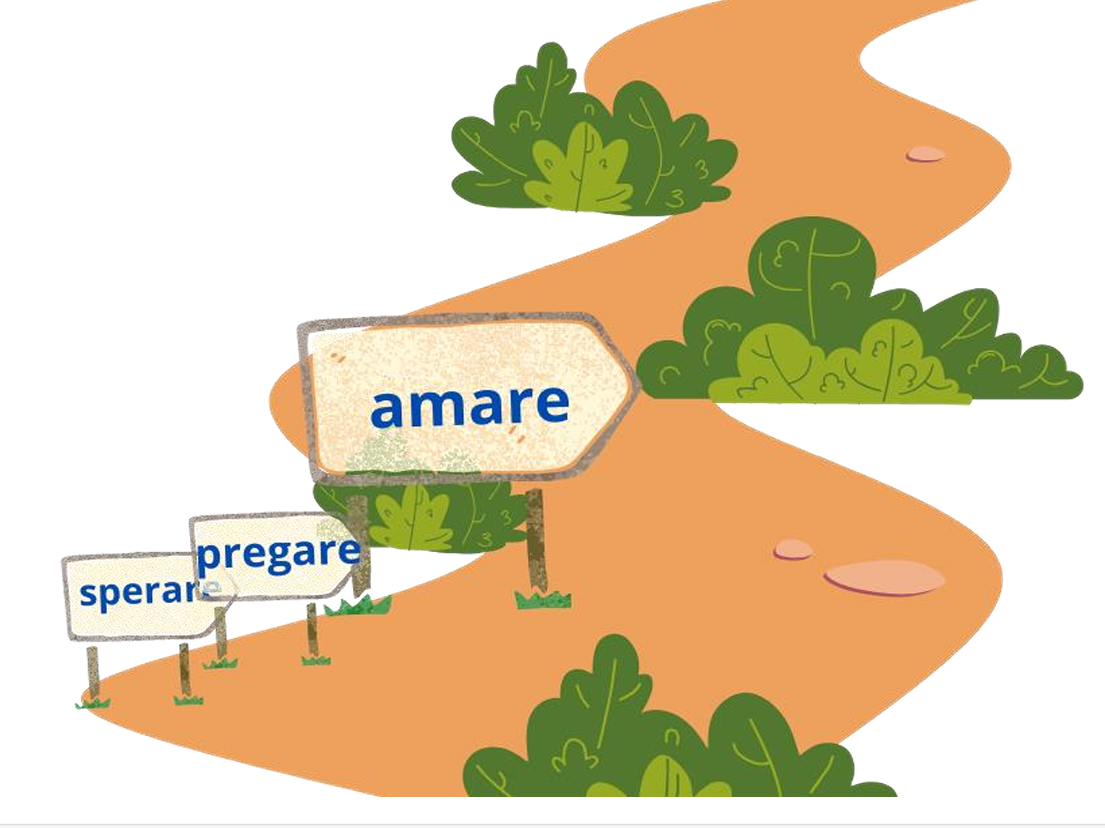
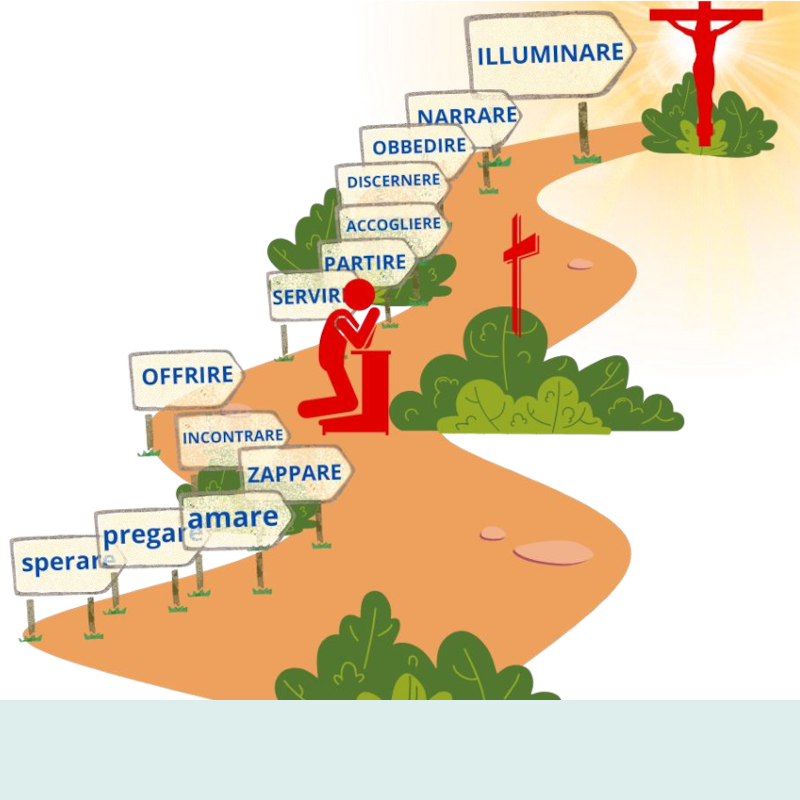
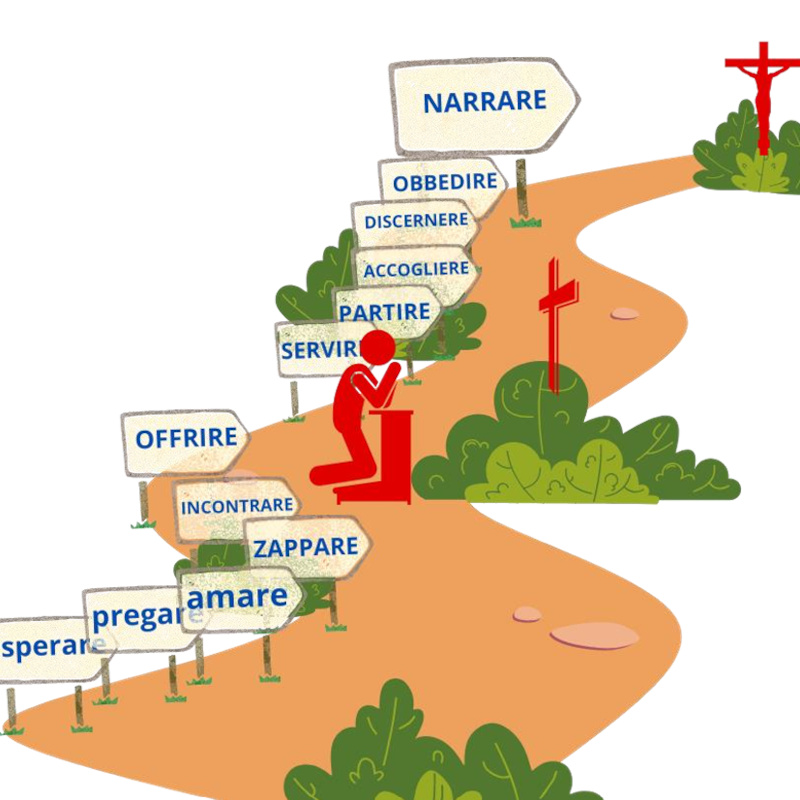
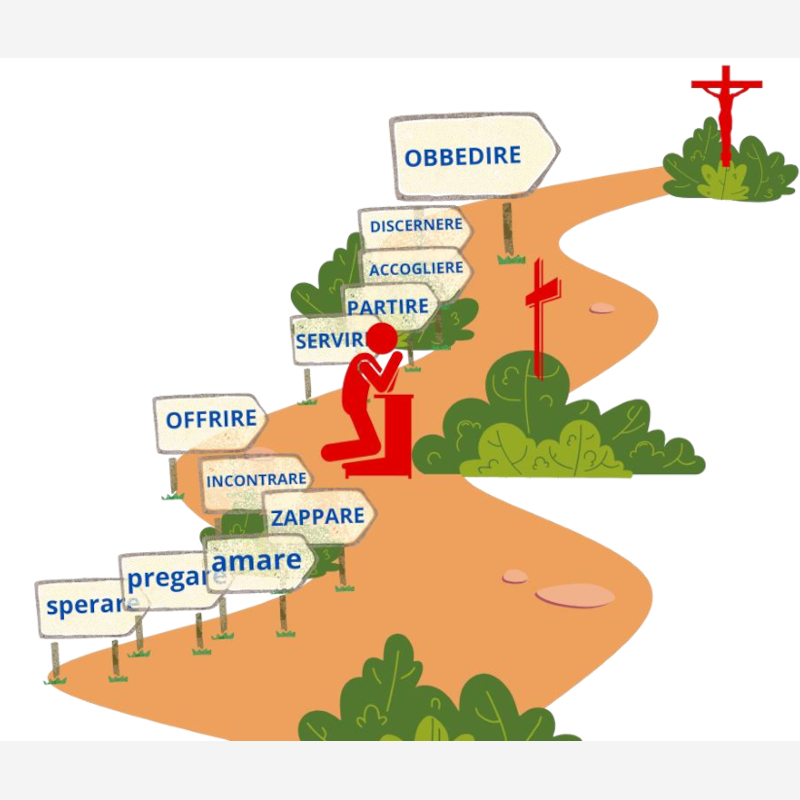
The column «Witnesses of mercy» with the (flippable) book by Nino Savarino. This Monday, the verb «to love» and the Work «to forgive offences».
One chapter at a time from the book by Nino Savarino, Governor of the Misericordia di Rosolini, friend of spazio + spadoni and collaborator of various projects and of the blog.
From Psalm 118 (117)
Praise the Lord, for he is good; his mercy endures forever. Let Israel say that he is good: his mercy endures forever. Let the house of Aaron say: his mercy endures forever. Let those who fear God say: his mercy endures forever.
One cannot live without loving because God himself is love
Pope Benedict XVI said: «Neighborly love rooted in the love of God is first and foremost a task for each individual member of the faithful, but it is also a task for the entire ecclesial community, at all levels: from the local community to the particular Church, up to the universal Church in its totality».
Pope Francis taught: «And Jesus tells us that love is the source of all things, and that we must never separate God from man. To the disciple of every age the Lord says: on your journey, what counts is not external practices, such as burnt offerings and sacrifices (v. 33), but the disposition of the heart with which you open yourself to God and to your brothers and sisters in love».
How many times have we spoken the word «to love»! How many times have we heard it! Poets, singers, writers, and ordinary people, from the north to the south of the world, everyone has spoken of love, of loving. But is it really so? And why the wars? Why the violence? Against women, against minors? Why do people look away when a brother asks for help? Why do hatred and revenge prevail? Perhaps because we profess love with our lips, but do not love in truth? In our hearts there is love, but in our gut there is retaliation. Let us be guided by the heart. We are called to love even our enemies!
Our journey will be joyous and beautiful
if we love everyone we meet along the way
and if we go beyond our «ego».
What can we do in practice?
To forgive offences
Follow Jesus. Go to the heart of the Gospel.
This is what his call to «forgive offences» urges us to do.
It is a counter-cultural voice.
The culture we breathe often encourages anger, claiming aggrieved rights; it feeds the spirit of revenge; it evokes a relentless struggle against something or someone. Chiara Lubich, at the beginning of that new spiritual path that enlivens the Focolare Movement, understood how indispensable forgiveness was.
She soon realized that, even in the initial small group that had made the great discovery of God-Love, it was not so easy to keep mutual love alive. It was easy to find fault with each other, to highlight a negative aspect, to remain weighed down in relationships due to accumulated “dust”. Hence the need for a «pact of mercy», a firm commitment to look upon one another as «new» every morning, covering shortcomings and defects with love and entrusting them to God’s mercy.
(Maria Voce, President of the Focolare Movement, November 31, 2001)
Food for thought
«No one has greater love than this: to lay down one’s life for one’s friends» (John 15:13)
Source and image: Nino Savarino, N. Savarino, “Witnesses of Mercy”
Being sensitive to the pain of others to transform suffering into hope
27 July 2026